
 Read on Twitter
Today we are looking at saltmarsh
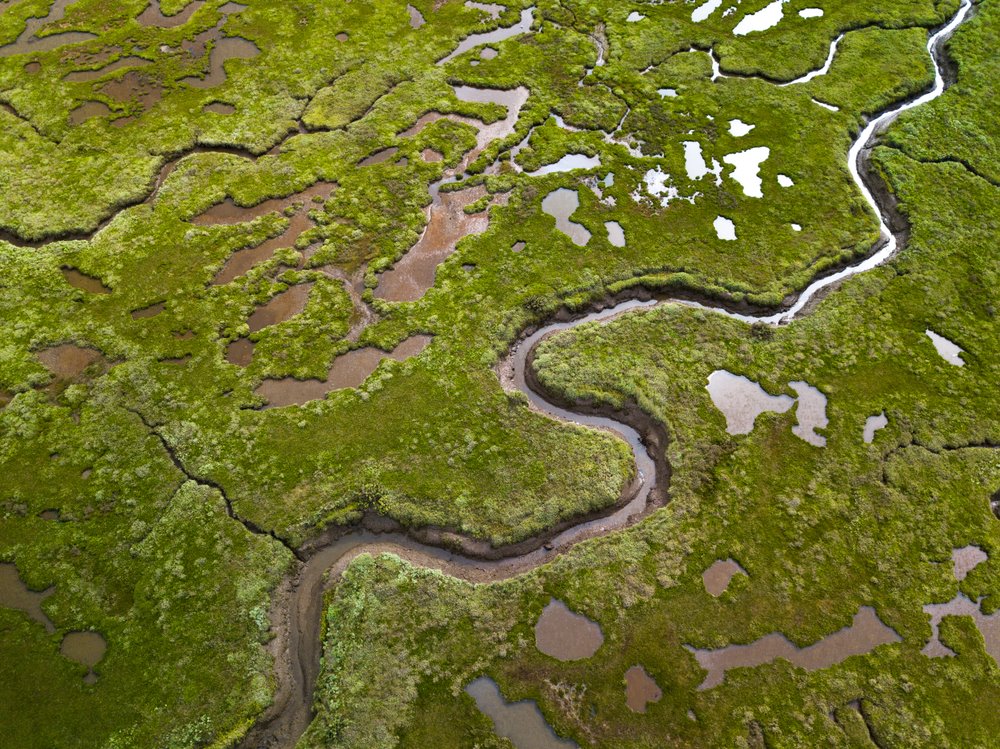
 Saltmarshes are coastal wetlands that are periodically flooded & drained by the tides from the sea. They are populated by many different species of plants & animals uniquely adapted to living there
  #saltmarsh #wetlands #habitatweek


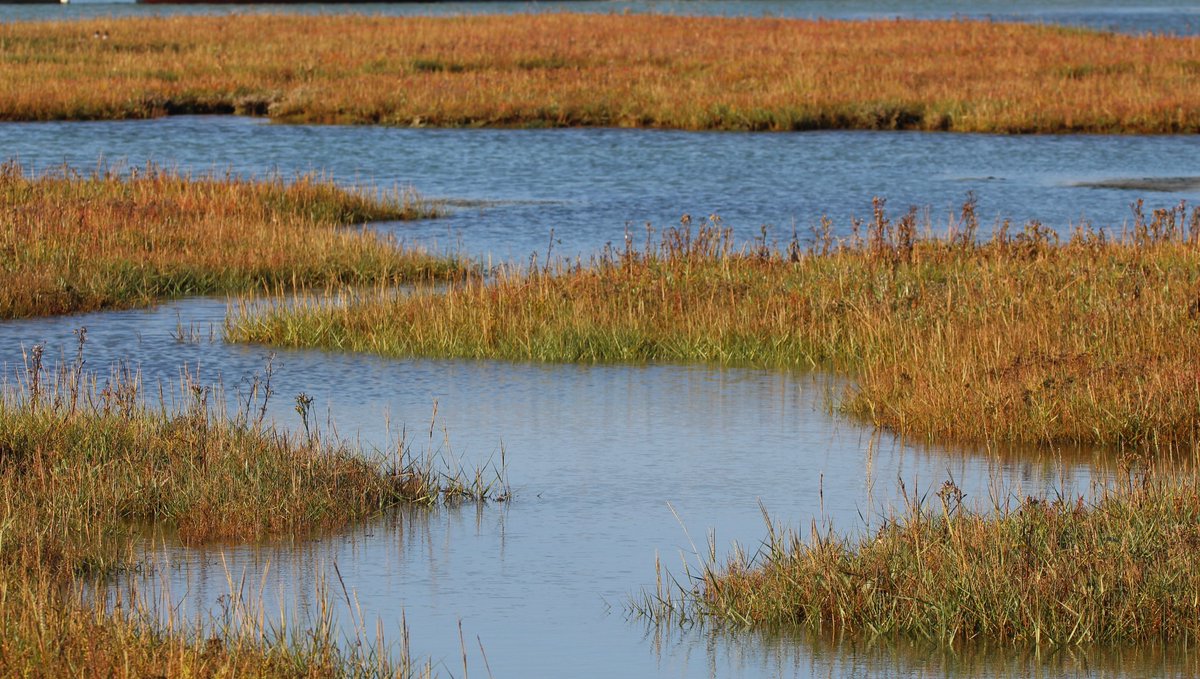

Saltmarshes are coastal wetlands that are periodically flooded & drained by the tides from the sea. They are populated by many different species of plants & animals uniquely adapted to living there #saltmarsh #wetlands #habitatweek
Saltmarsh can appear plain, but look more closely & it's not so much what you see on the surface (although plants like samphire/glasswort & sea purslane are fascinating in how they have adapted to the harsh environment) but what lies beneath in the mud that's really important 

Saltmarsh & the intertidal mud contains an incredibly rich food source of invertebrates for our birds such as curlew, oystercatcher & godwits. They use their long beaks to probe into the mud & retrieve any creatures they find 

 #intertidalmud #dinnertime #wadingbirds
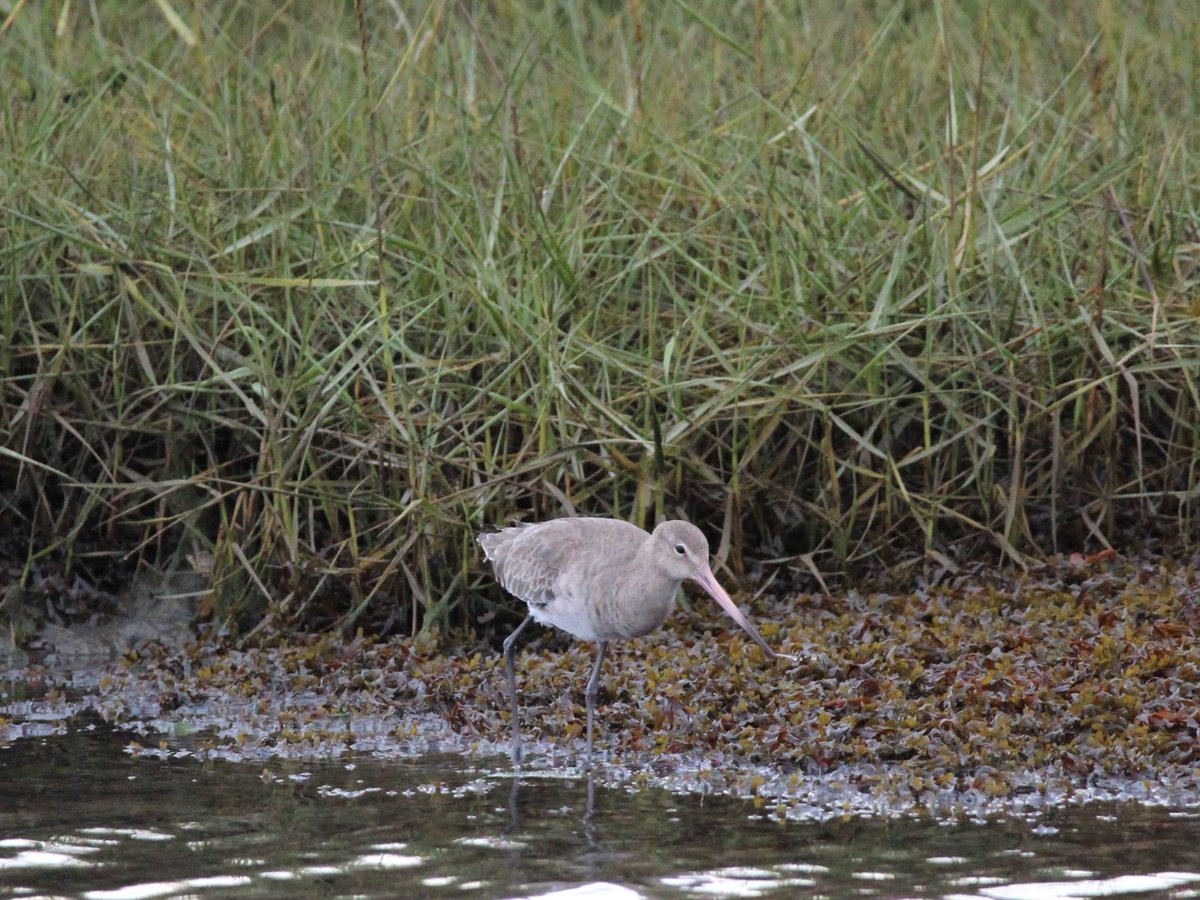

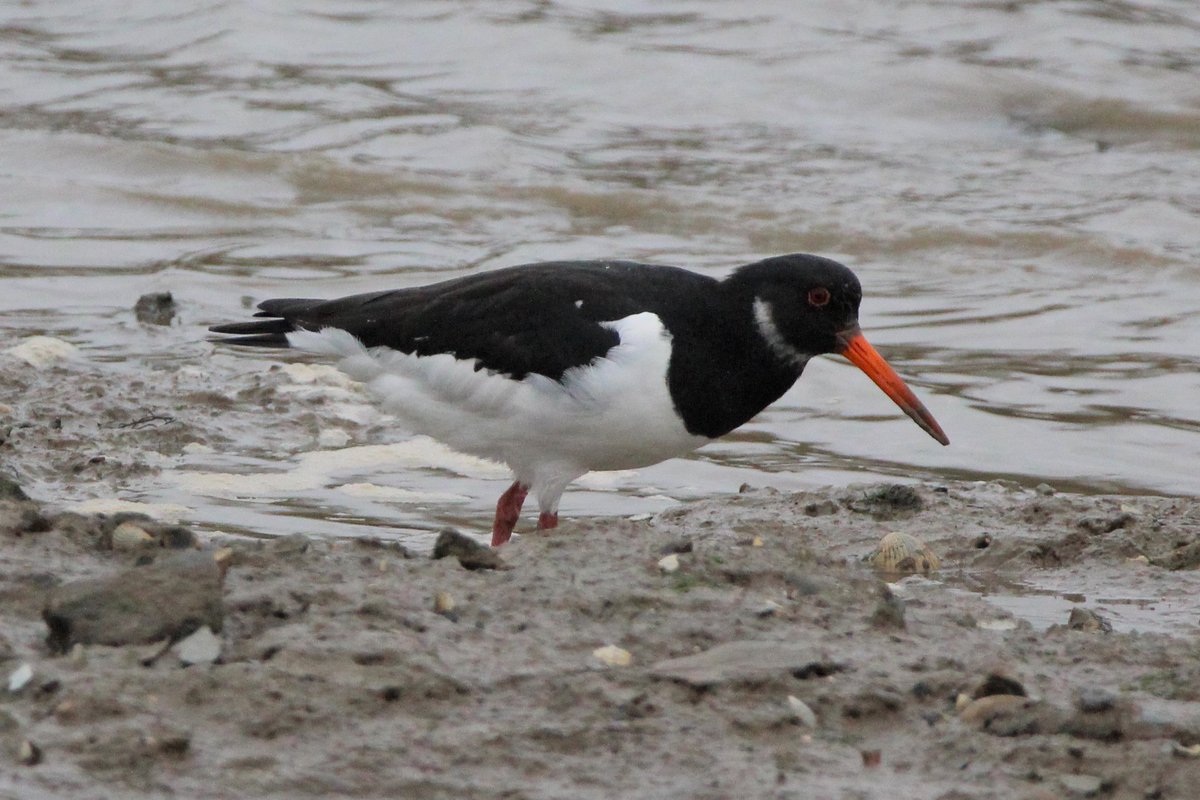
#intertidalmud #dinnertime #wadingbirds
When the tide comes back in & covers up the mud, wading birds such as this lapwing need somewhere like the saltmarsh to roost (rest) out of the rising water #hightideroost #resting #saltmarsh #lapwing #wadingbirds
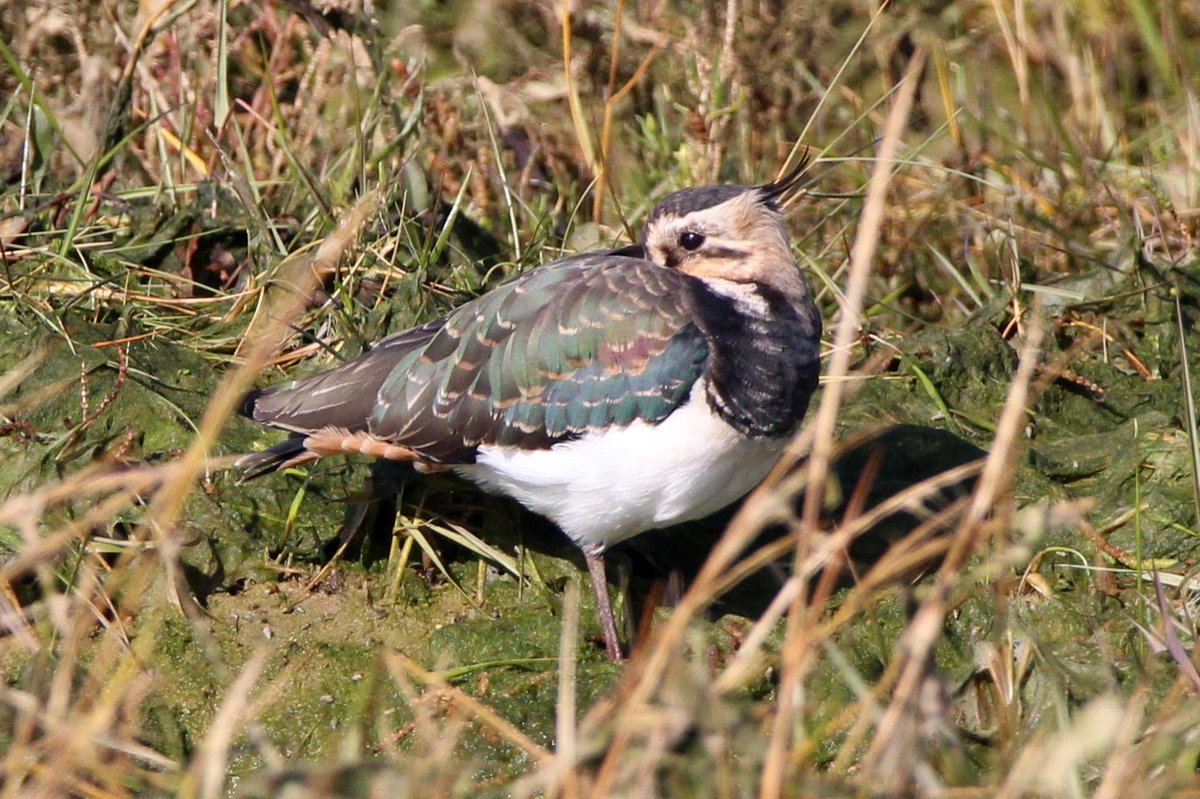
#hightideroost #resting #saltmarsh #lapwing #wadingbirds
In addition to being a home for thousands of birds, the role that #saltmarsh plays in defending our coasts from erosion is becoming increasingly recognised. Saltmarsh also stores more carbon per hectare than many other habitats which could help address climate change 
We have some wonderful saltmarshes around the Solent including Lymington & Keyhaven, East Head, Chichester Harbour, Bunny Meadows near Warsash & Yarmouth, Newtown & Bembridge on the Isle of Wight Where is your favourite? #saltmarsh #solenthabitats #habitatweek #thesolent
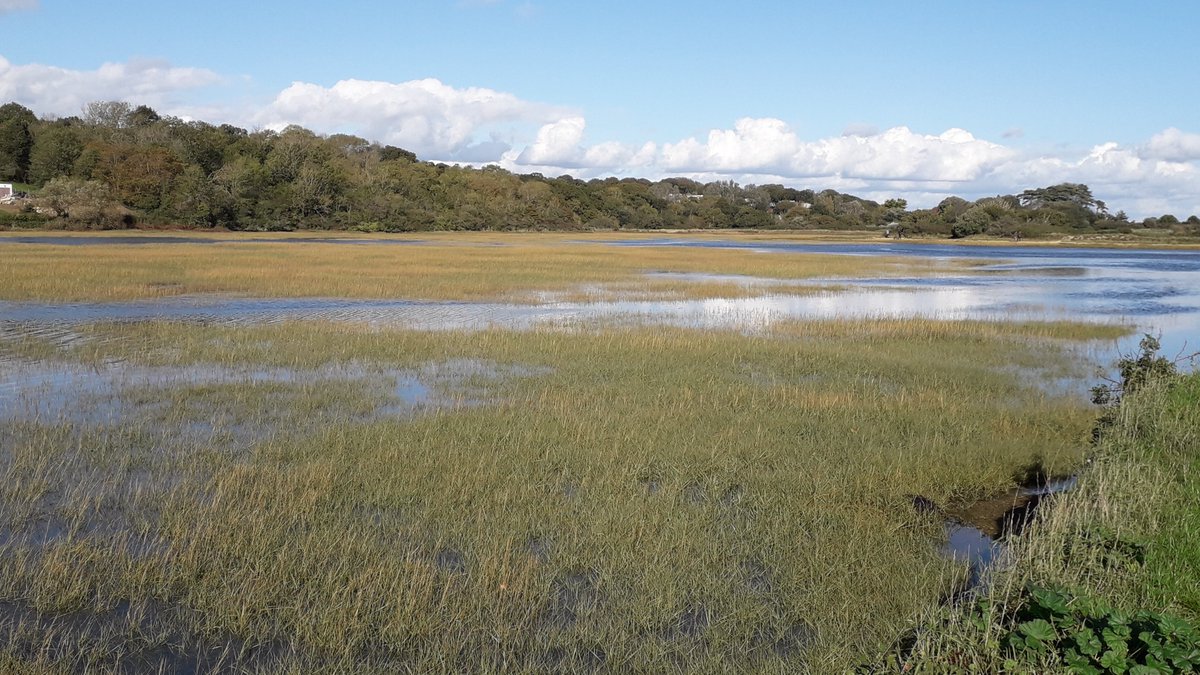
Where is your favourite? #saltmarsh #solenthabitats #habitatweek #thesolent


