
 Read on Twitter
 New @Policy_Exchange report, Powering Net Zero. Foreword by @BimAfolami, Chair of @PRASEG
GB electricity market isn't ready for more wind & solar:
 Local electricity pricing can reduce costs Reform support for renewables + back up supplies
 1/ https://policyexchange.org.uk/publication/powering-net-zero/
UK Government's programme of Electricity Market Reform (early-2010s) has driven a decade of progress.
 Carbon emissions down >60%
 Electricity bills ~flat
 Blackouts largely averted
2/
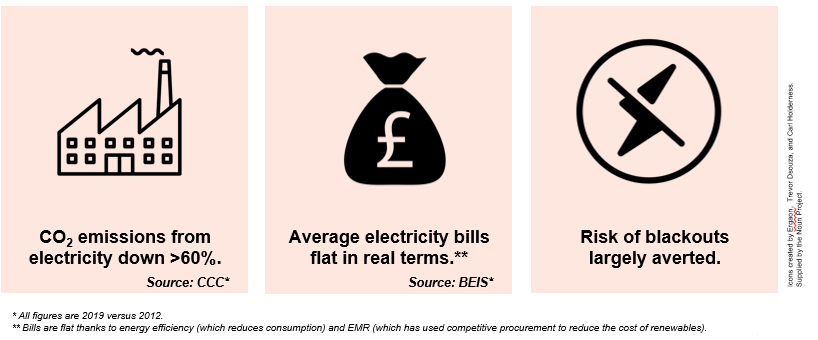
Carbon emissions down >60% Electricity bills ~flat Blackouts largely averted 2/
However, conditions during lockdown exposed flaws in the design of Great Britain's electricity market.
 Electricity demand fell 15%
 Market share of wind was higher than normal
System balancing costs went  by two thirds (+£220m)
3/
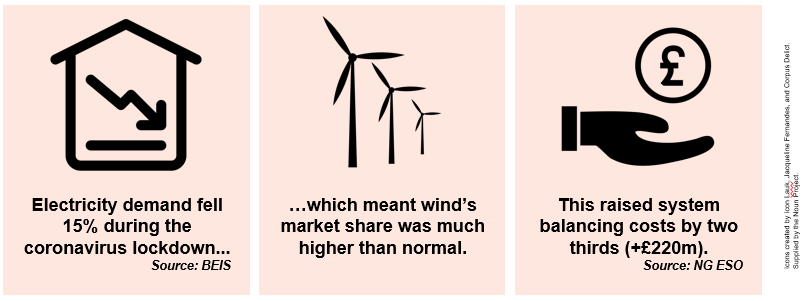
Electricity demand fell 15% Market share of wind was higher than normal System balancing costs went by two thirds (+£220m)3/
By 2050, wind and solar will provide most electricity in Great Britain.
Without reforms to the market, system balancing costs will rise as wind and solar grow.
4/

Without reforms to the market, system balancing costs will rise as wind and solar grow.
4/
We propose four principles for the next stage of Electricity Market Reform.
Includes renewed focus on the "Energy Trilemma", which has gone out of fashion recently.
Energy Trilemma = Secure, affordable, low-carbon energy system.
5/
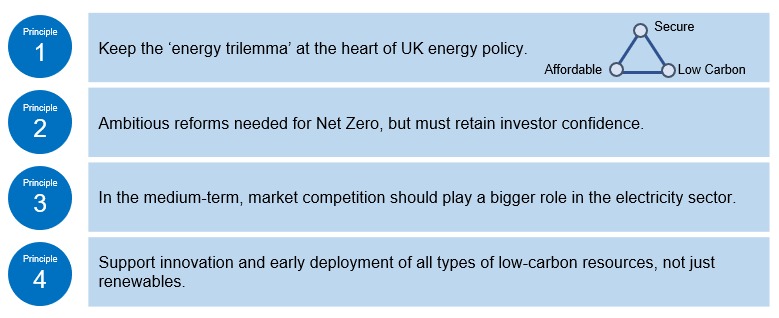
Includes renewed focus on the "Energy Trilemma", which has gone out of fashion recently.
Energy Trilemma = Secure, affordable, low-carbon energy system.
5/
Government should make reforms in 3 areas
 Local electricity pricing in wholesale market
 'Floor-price CfDs' for renewables
 Low-carbon quota in the Capacity Market
6/
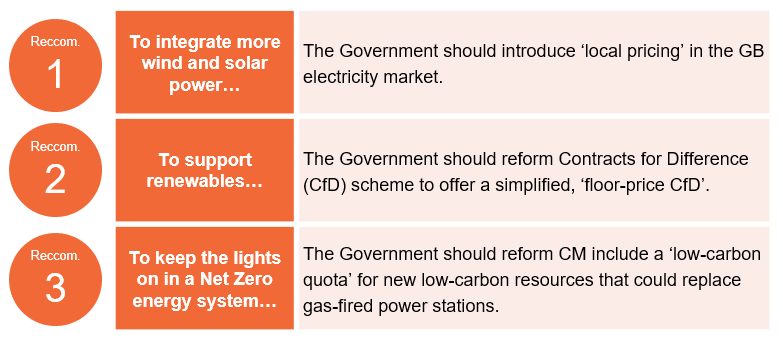
Local electricity pricing in wholesale market 'Floor-price CfDs' for renewables Low-carbon quota in the Capacity Market6/
What is local pricing?With local pricing, electricity prices will be different from town-to-town and at different times of day.
Will mainly impact wind farms, power stations and energy storage, but could also change how residential customers pay for electricity.
7/

Local pricing could save customers £2bn per year, or £50bn by 2050.
According to modelling by @AuroraER_Oxford, commissioned by @Policy_Exchange.
Could reduce average household electricity bill by £37 per year.
8/
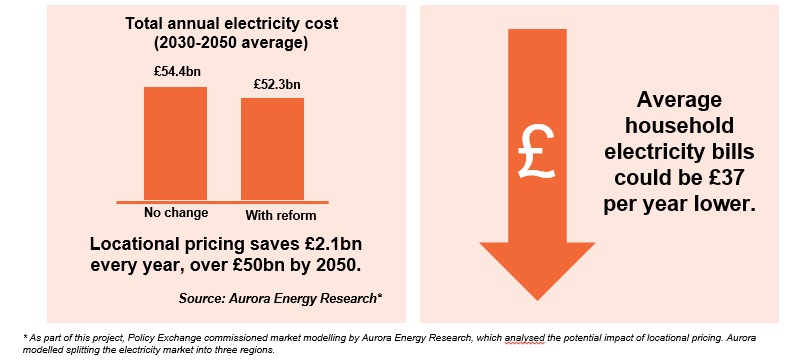
According to modelling by @AuroraER_Oxford, commissioned by @Policy_Exchange.
Could reduce average household electricity bill by £37 per year.
8/
Local pricing would help industry in coastal industrial hubs with lower energy prices.
Coastal hubs should benefit from lower energy prices as close to  abundant offshore wind
Could boost green manufacturing, incl. low-carbon hydrogen, data centres, and green steel
9/
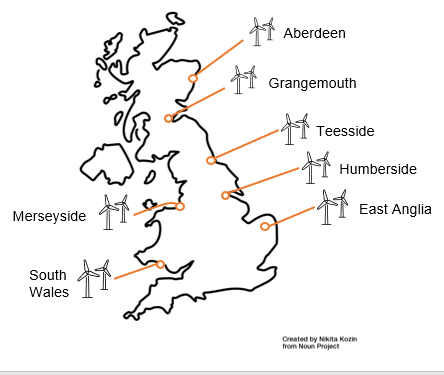
Coastal hubs should benefit from lower energy prices as close to abundant offshore wind Could boost green manufacturing, incl. low-carbon hydrogen, data centres, and green steel9/
Contracts for Difference (CfD) scheme also needs reform Existing CfDs: generators have fixed price for electricity. Simple but distorts the electricity market. Floor price CfD: exposes generators more to market prices.10/
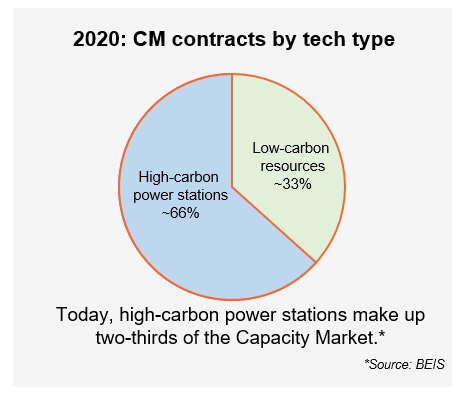
 Capacity Market (CM) must change to reduce support for gas-fired power stations. Today, high-carbon power stations make up two-thirds of the CM. By 2050, firm capacity needs to be mainly provided by low-carbon resources.
11/
Our proposals aim to be a second phase of Electricity Market Reform ('EMR 2')
Further reforms likely to be needed in the 2030s.
12/
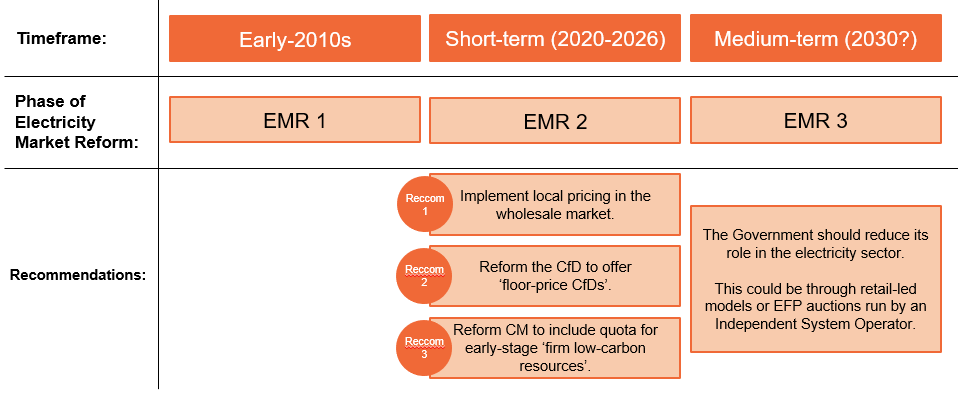
Further reforms likely to be needed in the 2030s.
12/
Full report and summary slides are available on our website
13/13 https://policyexchange.org.uk/publication/powering-net-zero/
13/13 https://policyexchange.org.uk/publication/powering-net-zero/


