Read on Twitter
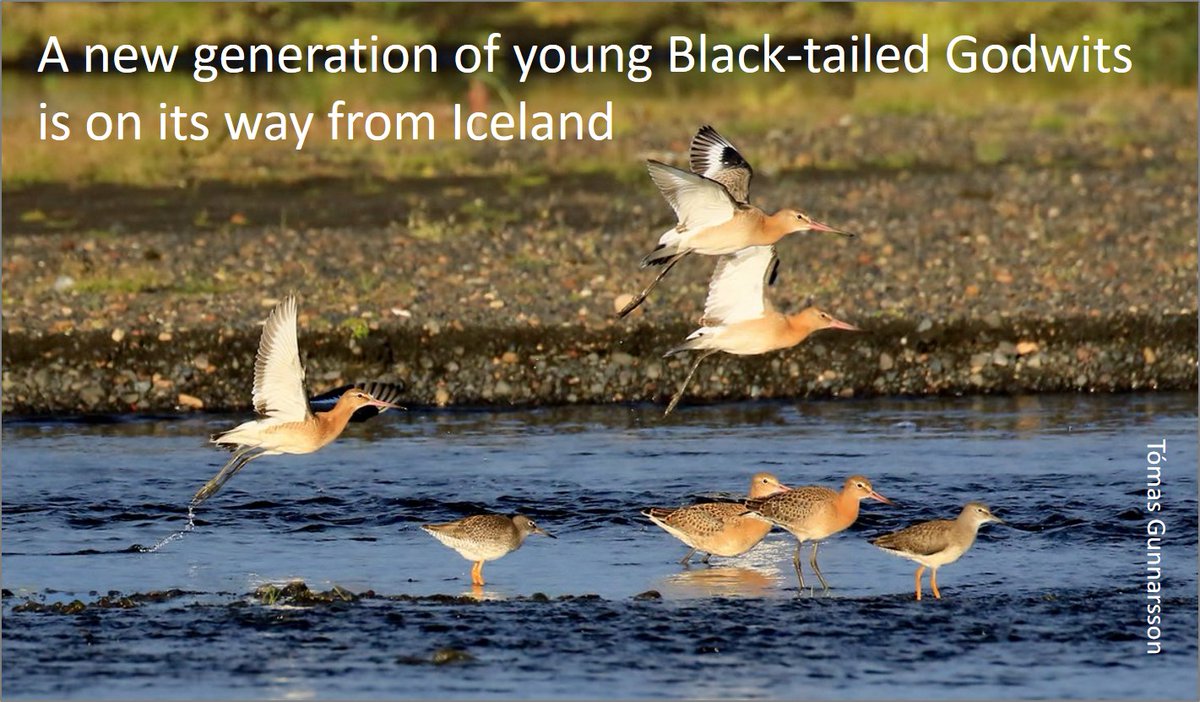
This picture will be of interest to people discussing low numbers of juvenile Black-tailed Godwits in UK, such as @FrodshamBirder @Vaasetter @ed_keeble @Harrier1234 @RichardduFeu.
Short thread follows. https://twitter.com/Iceland_Review/status/1303680350573473792
Short thread follows. https://twitter.com/Iceland_Review/status/1303680350573473792
I shared this blog about how number of juveniles is influenced by spring temperatures. These data are from south #Iceland. Breeding here was OK in 2020 - 2017 was mega:
https://wadertales.wordpress.com/2016/12/20/black-tailed-godwits-and-volcanic-eruptions/
#waders #orhithology #shorebirds

https://wadertales.wordpress.com/2016/12/20/black-tailed-godwits-and-volcanic-eruptions/
#waders #orhithology #shorebirds
South Iceland is relatively warm. Black-tailed Godwits have spread into other areas of Iceland over last 120 years. How do we know this?
https://wadertales.wordpress.com/2015/12/18/black-tailed-godwits-expand-their-range-in-russia-and-iceland/
#waders #shorebirds #ornithology
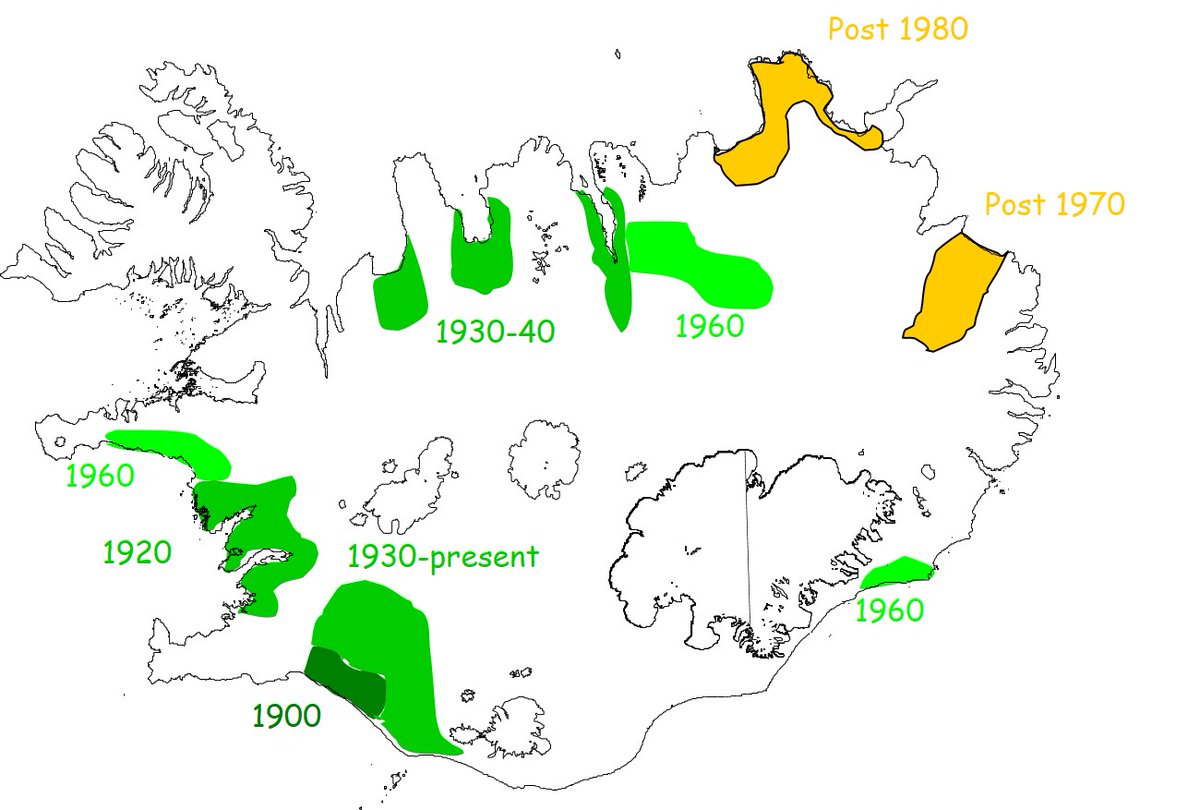
https://wadertales.wordpress.com/2015/12/18/black-tailed-godwits-expand-their-range-in-russia-and-iceland/
#waders #shorebirds #ornithology
This blog discusses the link between population growth and spring temperatures:
https://wadertales.wordpress.com/2019/02/15/from-local-warming-to-range-expansion/
#waders #shorebirds #ornithology

https://wadertales.wordpress.com/2019/02/15/from-local-warming-to-range-expansion/
#waders #shorebirds #ornithology
Cold spring in North and East Iceland (see start of thread) may well have reduced Black-tailed Godwits productivity this year? Perhaps, however, adults in these areas were able to hang on and breed later, in which case, there could still be more juveniles to come?